For Norwegian artist André Davies, creativity thrives within carefully chosen limits. Drawing inspiration from nature, improvisation, live electronics and the adventurous edges of Scandinavian jazz, he transforms field recordings and tactile hardware into richly textured ambient worlds. In this interview, Davies discusses the moment he discovered his sound, the gear that reshaped his workflow, his cautious view of AI and why releasing your work matters more than endlessly perfecting it.
General info
Artist Name: André Davies
Age: 37
Location: Sandefjord, Norway
How long have you been making music? 25 years.
Social Media / Music Links
instagram.com/m_andre_davies
youtube.com/@andre_davies
patreon.com/andredavies
Do you release music under a label or independently?
Independent
Creative process and inspiration
What drew you to ambient music in the first place?
I think it was a combination of many different musical experiences that led me to become so enamoured with this genre of music.
It all started with me aspiring to become a jazz musician. During my studies at the Department of Musicology, I got really into some incredibly talented Norwegian jazz musicians who were playing music that sounded completely different from anything I had ever heard before. Arve Henriksen, Jan Bang, Eivind Aarseth, and Thomas Strønen, to mention a few.
As it turned out, they were using Ableton Live, along with other electronic tools, to enhance and process their instruments. This, in turn, allowed them to create lush soundscapes and strange, otherworldly sounds.
As my curiosity grew, I applied for the Live Electronics programme at the Norwegian Academy of Music, where Ableton and the field of live electronics were the main focus. I was introduced to the forefathers of electronic music, such as Pierre Schaeffer and Karlheinz Stockhausen, and their various experiments and compositions.
And this is where my introduction to today's ambient music scene began. As I was getting familiar with these pioneers, the YouTube algorithm started introducing me to artists such as Jogging House and Hainbach. The sounds I was hearing from them felt strangely similar to the music I had been trying to produce myself, at least in my head.
Can you describe your creative process when starting a new track?
Most of my music is born through improvisation. Before I begin, I set some boundaries for myself. Time, scale, instrumentation, and form are usually decided before I sit down to write or play. These limitations help me get into the right state of mind for composing, and ideas tend to flow much more easily. Once I get going, I'm always open to adjusting or changing those boundaries if necessary.
What kinds of experiences or environments tend to inspire your work most?
Nature plays a huge part in my creative process. I've made it a weekly practice to get out into nature, usually with a field recorder and a film camera in hand. I used to bring my OP-1 or Organelle along as well, but in recent years I've preferred to wait until I get home before starting the music-making process.
What atmosphere or emotional space are you trying to create with your music?
This varies a lot. It depends on the first idea. But I usually lean into the underlying emotional character and go from there.
What moment made you feel like you had truly found your sound?
I remember working on an assignment at the academy. I was messing around with an e-kalimba, a couple of loopers, reverb, and the M4L device Rye when I stumbled upon what I now consider to be my sound.
In many ways, it was the start of my ambient journey. I doubled down on similar devices and started experimenting more with granular synthesis and more experimental loopers like Blooper and Mood by Chase Bliss Audio.
How important is storytelling in your work?
It's not too important. I usually have a narrative in my head, but I tend to keep it to myself. On a couple of occasions, I've used different B-roll footage to set the audience in the right geographical surroundings, but other than that, I like to let people create their own narratives.
What makes a track feel “finished” to you?
It kind of never is. But I try to record the composition live in one take, and then maybe I'll tweak a couple of things before mixing and mastering. Otherwise, I'd probably just keep tweaking in perpetuity.
Which artists (or even non-musical influences) have shaped your artistic vision?
When it comes to musical influences, there are a couple of Norwegian musicians who rank pretty high on my list: trumpeter Arve Henriksen and drummer Thomas Strønen. Both are signed to ECM and have huge discographies filled with great work.
In today's ambient scene, Jogging House, Hainbach, Idra (Francesca Pavesi), and Elin Piel are all major sources of inspiration.
As for non-musical influences, I probably have to give credit to books like Essentialism by Greg McKeown and Deep Work by Cal Newport. The idea of “what is essential” is always in the back of my mind.
Gear and setup
Are you using hardware instruments, software, or a hybrid setup?
Hardware is preferred, but I use a lot of hybrid setups, mostly for convenience.
What’s your favourite piece of gear or plugin, and why?
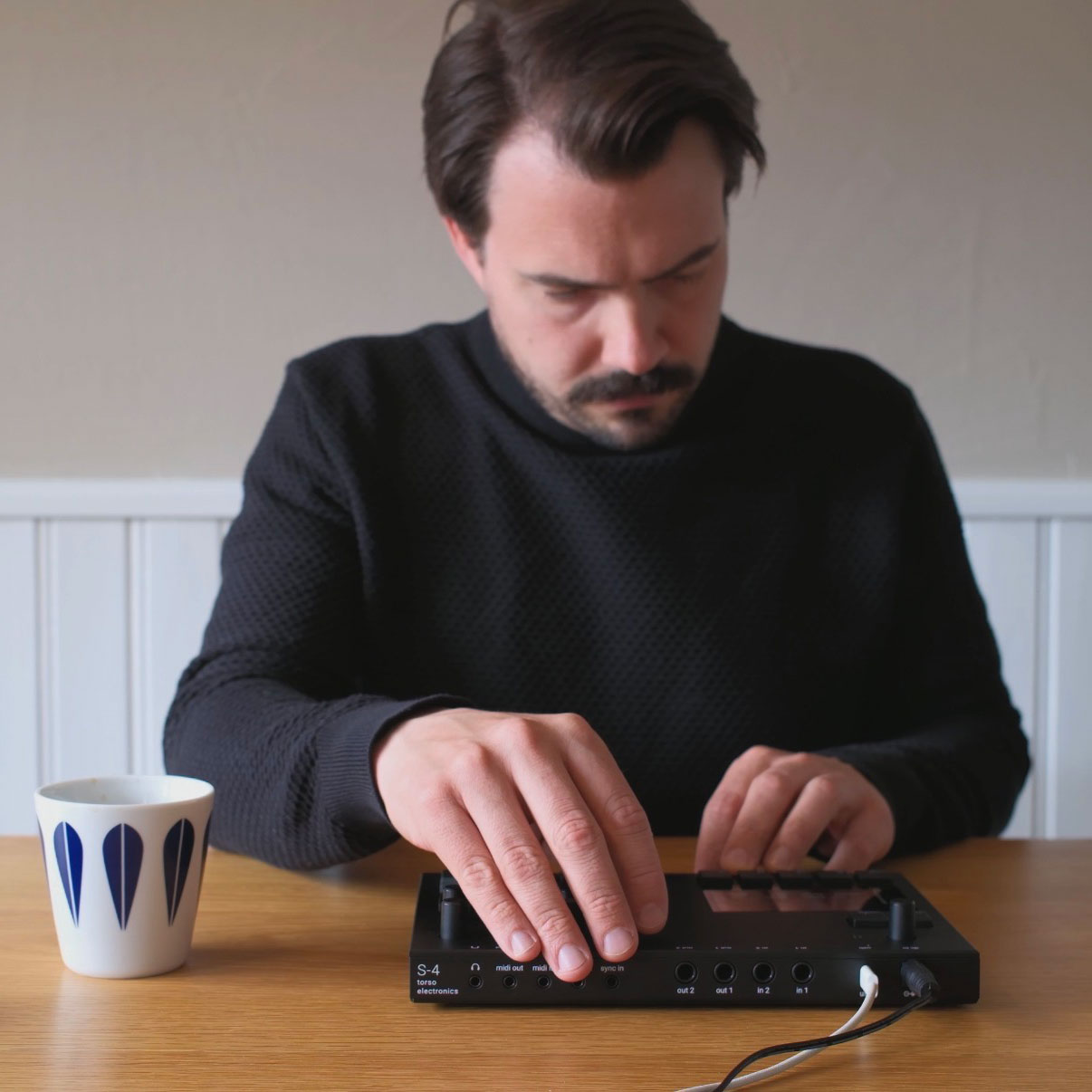
The S-4 Sculpting Sampler by Torso Electronics is one of my favourite pieces of gear at the moment. It houses almost all the effects and functionality I need, and it has a place in all my setups.
Other instruments that really inspire me are the Lyra-8, Norns Shield, OP-1, and 0-Coast.
What piece of gear completely changed your workflow?
Early on, it was about moving from DAW-based to DAWless setups with the OP-1 and Organelle M. The latest disruptors to my old workflow are the S-4 and the incorporation of more modular synths.
Challenges
What’s been the biggest challenge so far in creating ambient music?
The challenge is creating and balancing musical contrast. It's usually what I spend the most time on.
The non-musical challenges have been the hardest, such as allocating enough time to create, explore, and go deep with the material, as well as managing communication, marketing, and interacting with clients (commissioned work, music for video games, etc.).
How do you stay motivated or inspired when you're in a creative rut?
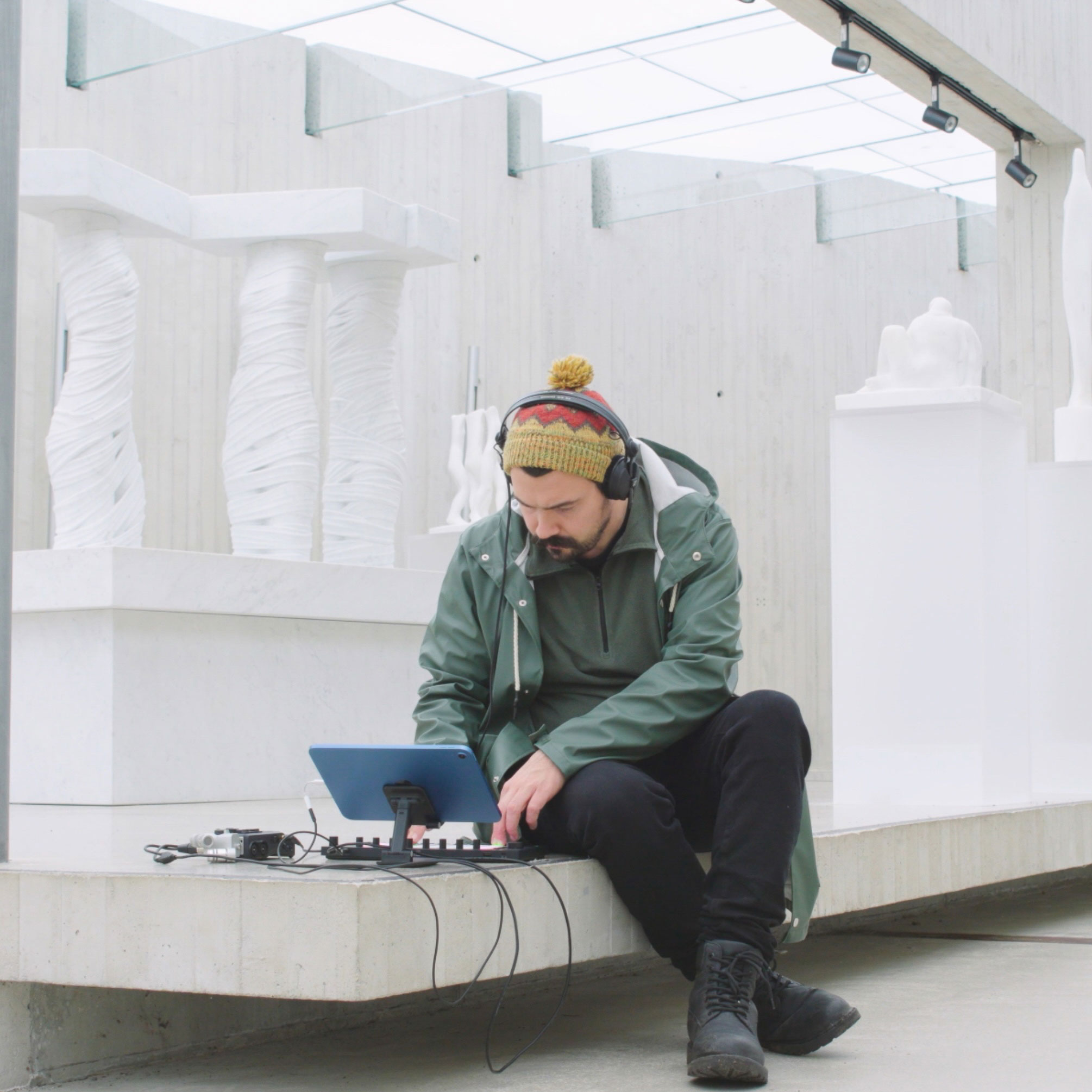
I usually try to bring my gear out of the studio. Just going outside with the OP-1, or my laptop, and starting to noodle. If nothing is coming to me, I like to use self-generating MIDI devices like the Tree Tone, Augur, or Bouncy Notes.
How do streaming platforms affect the way you release music, or what is your relationship with those platforms?
At the moment, I'm releasing music across all the platforms, albeit somewhat begrudgingly. Eventually, I'd love to move towards physical formats and, perhaps, offering digital downloads exclusively.
What are your thoughts on AI’s impact on music and art? Have you, in any form, used it in your approach to creating and shaping ideas?
I can't see myself ever using AI for anything creative (except the AI-powered masking tools in Lightroom and Photoshop). I recognise the huge advancements being made in fields like scientific research and medical science, but until AI has been thoroughly regulated, I'm limiting its use as much as possible.
How do you see AI evolving in music and art? Are you cautious about it, or do you think it will increasingly function as a tool within creative workflows?
At some point, I think it will be seen as a useful tool, like any other technological advancement. But things will probably get a lot worse, with crazy amounts of slop and malfunctioning vibe-coded plugins, before they get better.
What are you currently working on?
I'm currently working on a new album, this time in collaboration with some truly great instrumentalists. I'm leaning more towards influences from Norwegian and Scandinavian folk music on this one.
What advice would you give to new ambient artists?
Set boundaries and work within them for a long period of time. Try to establish a daily practice routine, just as you would with any other instrument. Lastly, I would also encourage everyone not to be too critical of their own work. Put it out into the world and move on to the next exciting musical project!
Is there anything else you’d like to add?
If you want to check out more of what I'm doing, YouTube, Instagram, and Patreon are the places to go. I'm /andredavies on all the things.
No comments yet. Be the first to leave one!